 A rigging assembly can look fine at first glance and still fail an inspection because the paperwork is expired, missing, or no longer matches the gear in use. That is usually when the question shows up fast: when does rigging need recertification? On active jobsites,...
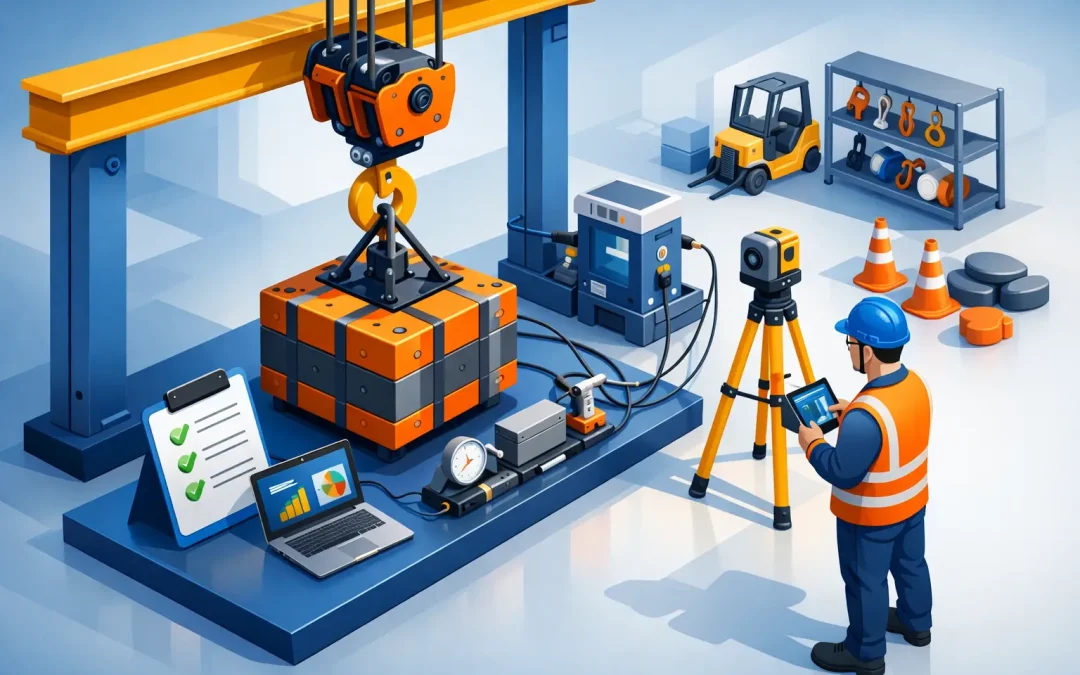 A failed inspection usually does not happen because the job team forgot the equipment. It happens because the paperwork, test method, or certification trail was not ready when the inspector asked for it. That is why a clear proof test procedure matters. If you manage...
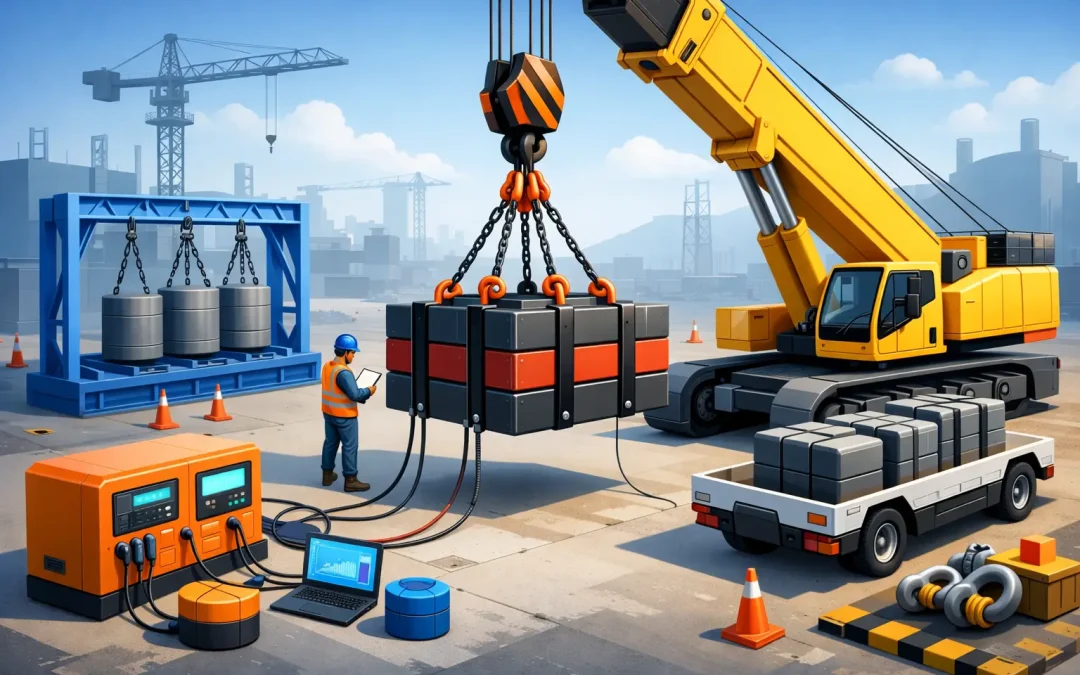 If an inspector asks for proof load documentation and your equipment is already staged, the clock is running. This industrial load testing guide is built for contractors, rigging crews, equipment managers, and project leads who need certification handled fast so the...
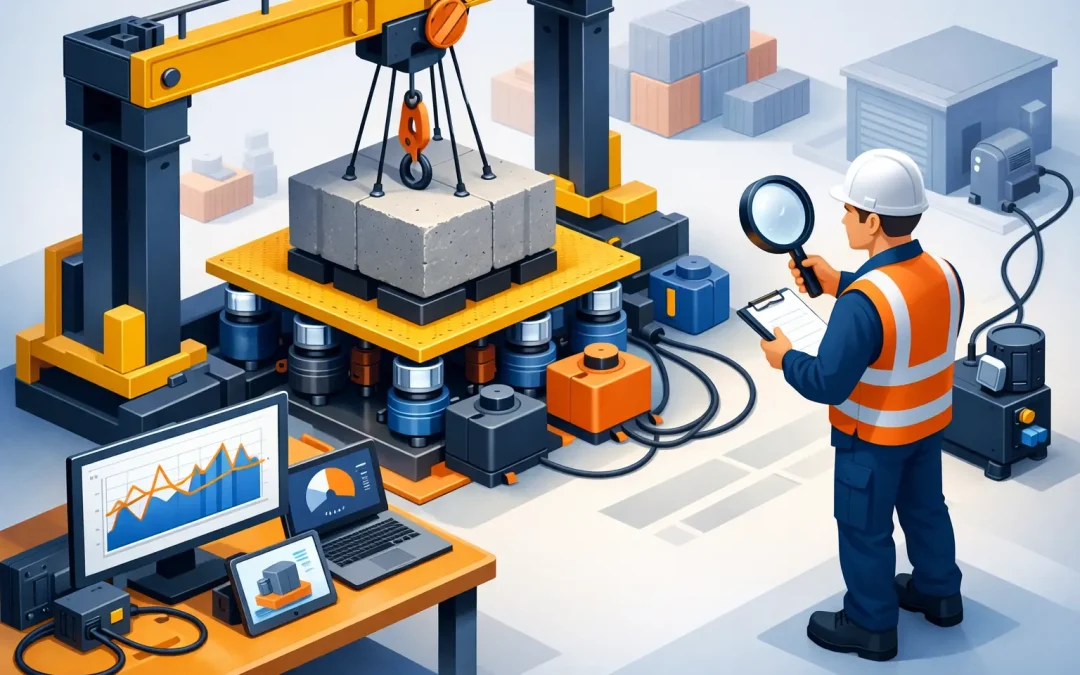 A failed inspection rarely starts with bad equipment. More often, it starts with missing proof. When an AHJ, site inspector, third-party safety rep, or owner’s representative asks for inspector required load testing, they are looking for documented evidence that a...
 Inspectors rarely slow a job down because a crew forgot how to lift. They slow it down because the paperwork is incomplete, inconsistent, or missing when it matters. A solid load test documentation checklist helps prevent that problem before the inspector arrives, the...
 A crane is on site, the crew is ready, and the inspector asks for documentation. That is usually when the difference between proof testing vs inspection stops being a technical detail and starts affecting the schedule. If you are responsible for lifting equipment,...
