 A crane sitting idle because paperwork is missing can stop far more than one lift. Crews wait, deliveries stack up, trades lose access, and a schedule built around a critical pick starts slipping. A proper crane inspection is how project teams identify safety issues...
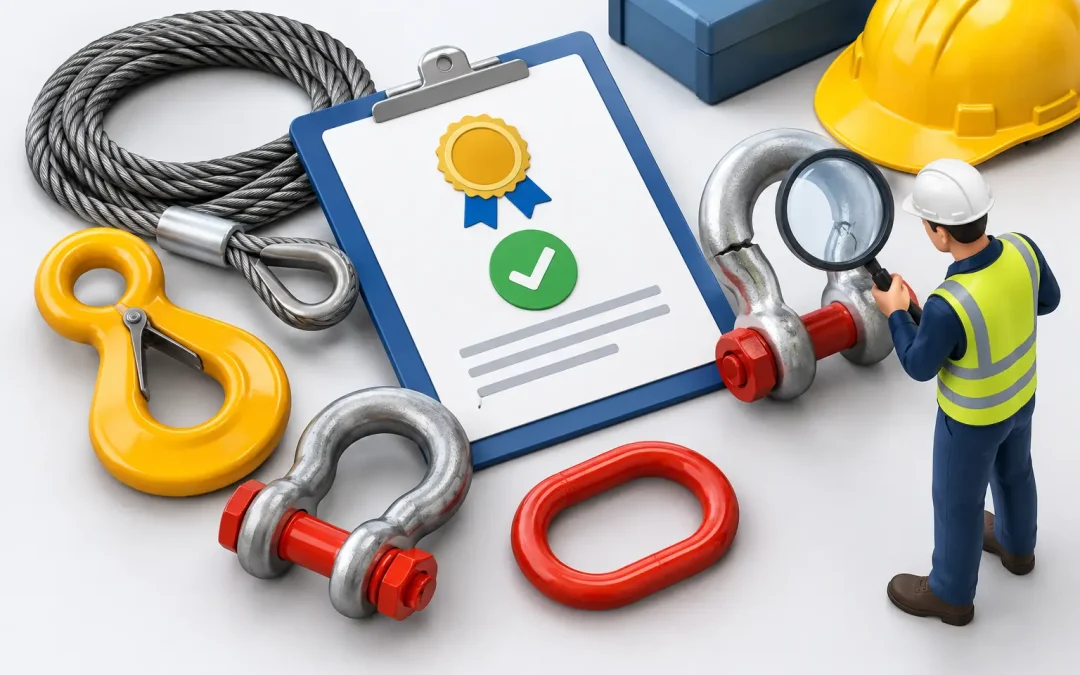 A sling may look serviceable, a shackle may have the right working load limit, and the lift plan may be ready to go. But if the paperwork is missing, markings are unreadable, or the hardware cannot be traced to a test record, the job can still stop. The top rigging...
 A hoist that is ready to lift is not always ready to pass inspection. When an inspector, owner, or project safety team requests certification, they need evidence that the equipment and its supporting system can perform as intended. The hoist certification process...
 A load can be ready to move, the crew can be staged, and the vessel or jobsite can still sit idle for one missing item: current proof load documentation. In marine work, lifting equipment is exposed to salt, weather, vibration, hard use, and changing job conditions....
 A lift can be ready, the crew can be standing by, and the job can still stop because a hoist has a damaged hook latch, unreadable capacity marking, or no current documentation. Hoist inspection points are not paperwork for paperwork’s sake. They are the checks that...
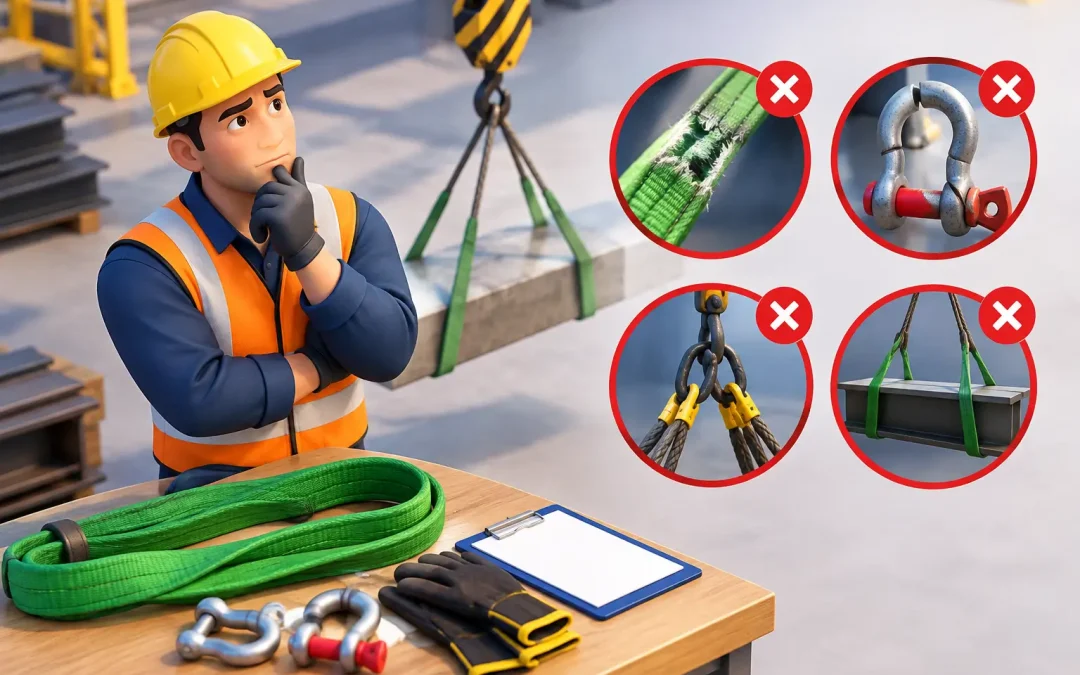 An inspector finds a missing tag, an expired record, or a test certificate that does not match the equipment in service. The lift stops, the crew waits, and the schedule absorbs the cost. The top rigging certification mistakes are usually preventable, but they tend to...
