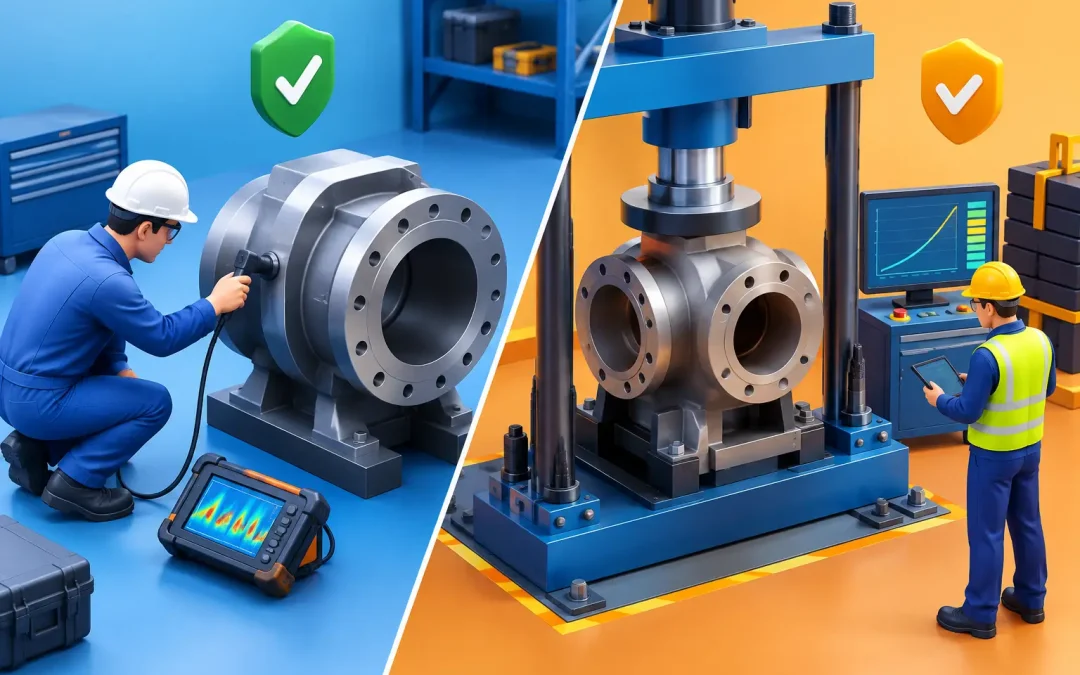
 A lift can be ready to perform and still fail an inspection if the paperwork does not match what the inspector asked for. That is where proof testing vs load validation becomes more than a terminology question. Contractors, rigging crews, and equipment managers need...
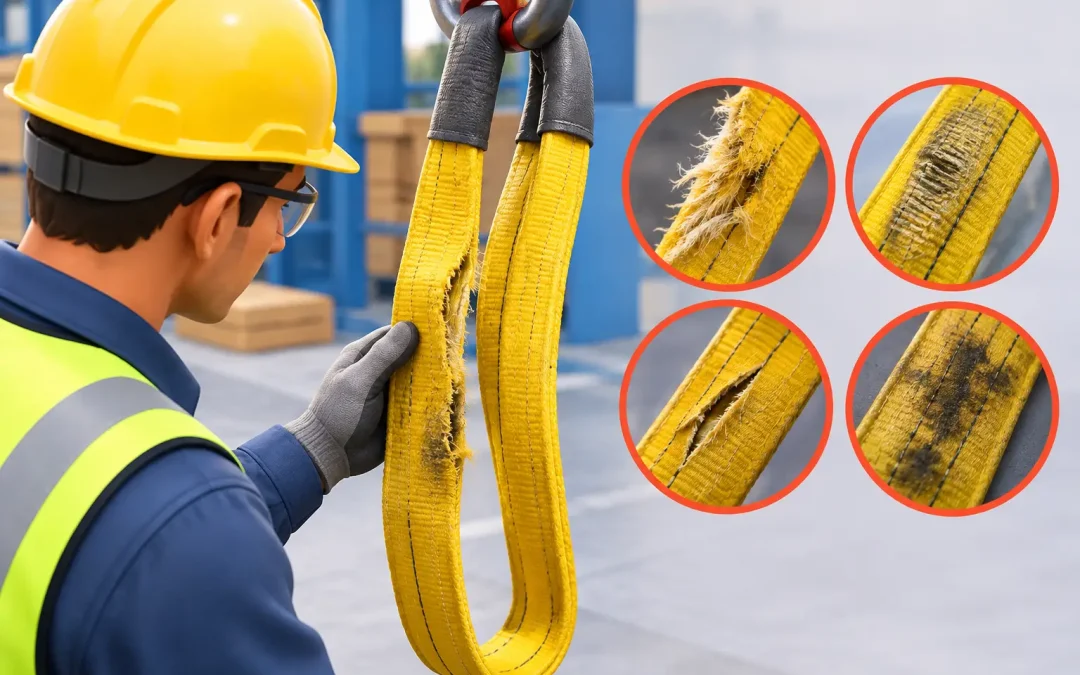 A sling can look serviceable from a few feet away and still be one lift away from failure. Catching sling damage signs during the pre-use inspection protects the crew, the load, and the schedule. It also prevents a failed inspection from stopping work when equipment...
 An inspector stops a lift because the equipment looks fine, but the current paperwork is missing. That can put a crew, delivery, concrete pour, or shutdown schedule on hold. Why do inspectors request certifications? Because visual condition alone does not prove that a...
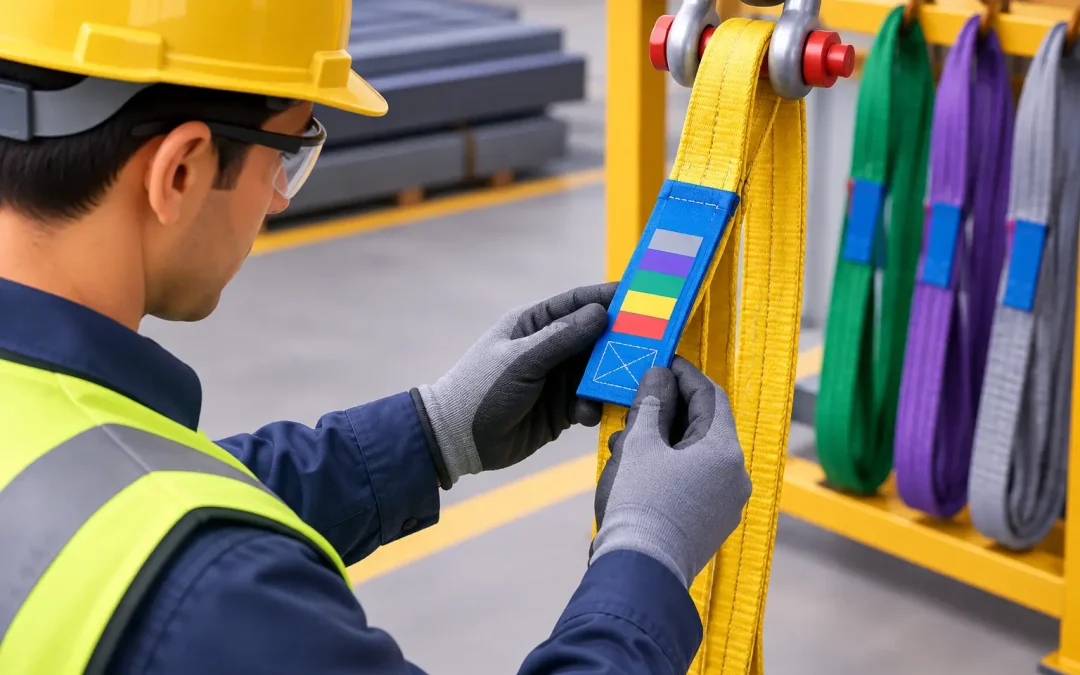 A sling can look serviceable and still be unfit for the lift. The tag is where the manufacturer identifies what that sling is, how it may be used, and the working load limit that applies. Knowing how to read sling tags gives the person in charge of the lift a fast way...
 A lift can be mechanically ready and still hold up a job if its proof test documentation is not in hand. The best mobile proof testing benefits are not abstract: they help contractors, rigging crews, and equipment managers get required testing completed where the...
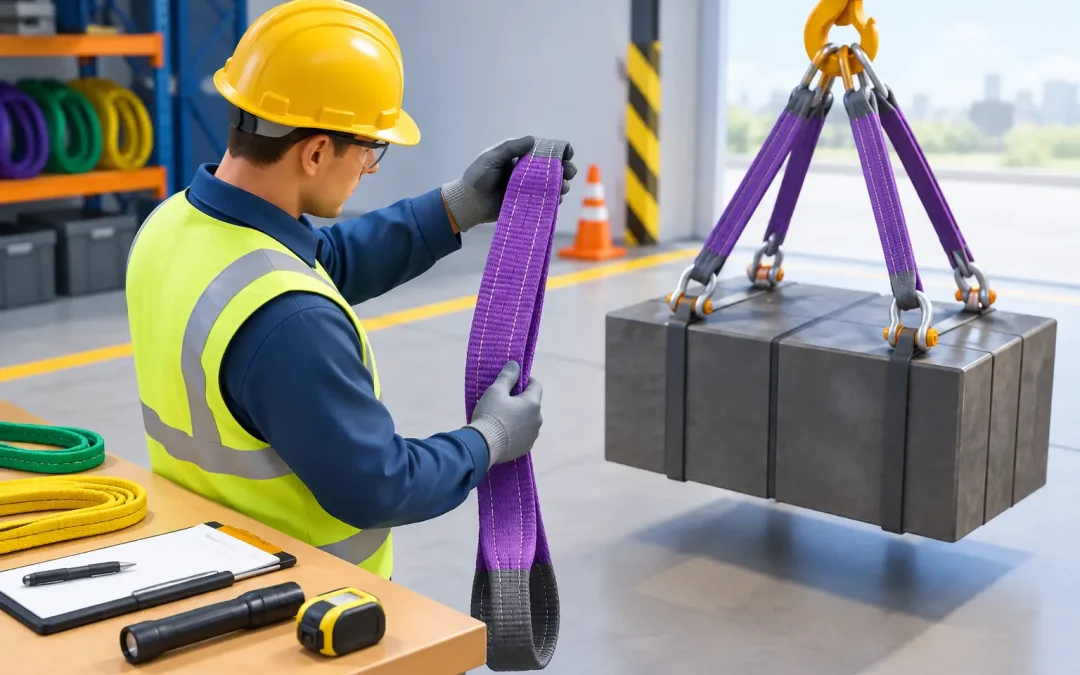 A sling that fails rarely gives a crew much time to react. Before it is put under tension, the sling must be identifiable, in serviceable condition, correctly selected for the lift, and supported by the documentation the job requires. Knowing how to test lifting...
