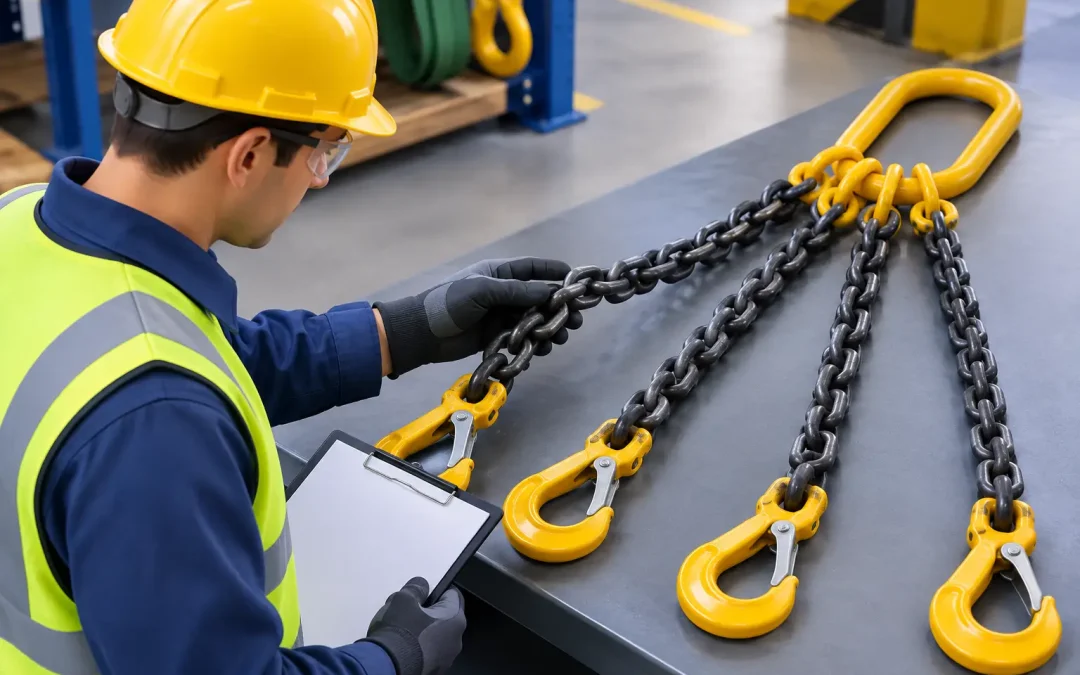
 A chain sling can look serviceable from a few feet away and still be unfit for the lift. One stretched link, a damaged hook latch, or missing identification can turn a routine pick into a dropped-load hazard and a jobsite delay. Knowing how to inspect chain slings...
 A davit can look ready for service and still fail an inspection if its rated capacity has not been verified and documented. Proof load testing for davits gives project teams the evidence inspectors, vessel operators, and safety managers need before putting a lifting...
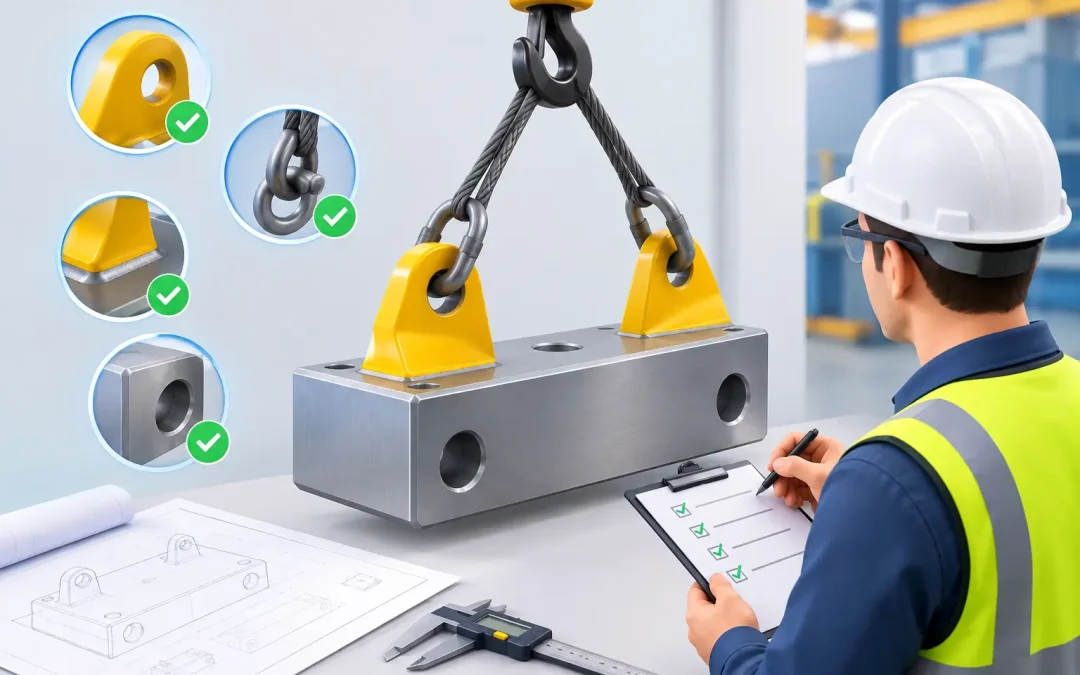 A lifting lug can look simple on a fabrication drawing: a plate, a hole, a weld, and a stated capacity. On the jobsite, lifting lug design carries much more responsibility. The lug must transfer the actual lifting forces into the structure without yielding, tearing,...
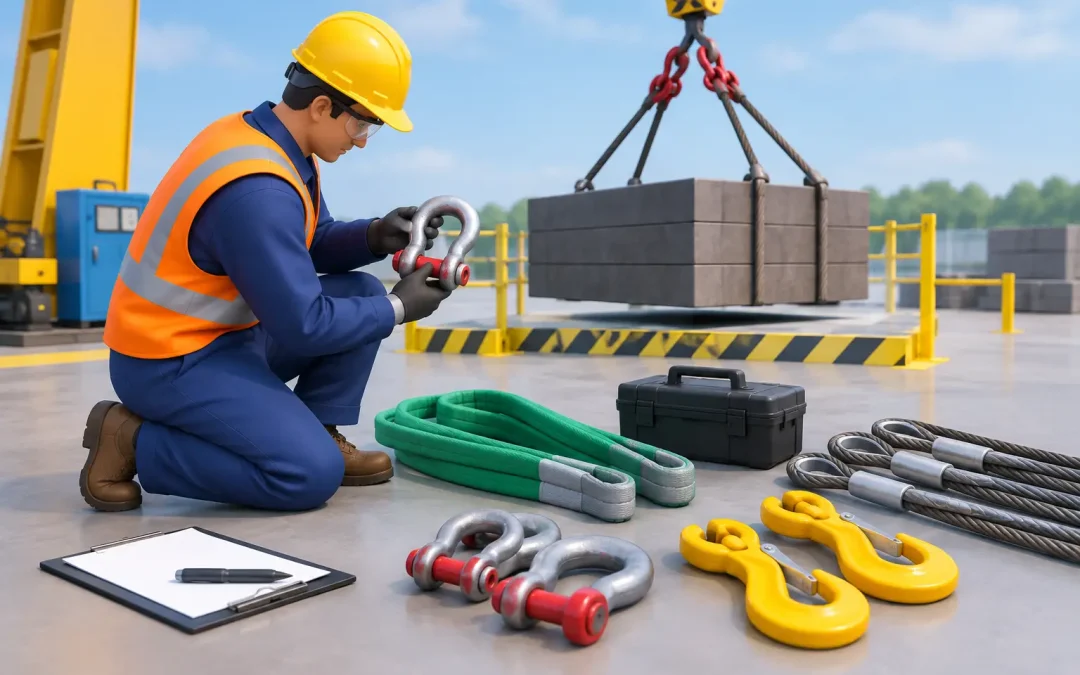 A missed tag, a bent hook latch, or a sling that arrives packed with jobsite debris can stop a proof load test before it starts. Knowing how to prepare lifting gear before testing helps your crew avoid wasted time, failed inspections, and last-minute schedule changes....
 A failed inspection can hold up a pick, delay a turnover, and leave a crew waiting on paperwork instead of working. A clear equipment certification process prevents that scramble by confirming that lifting equipment has been tested, documented, and prepared for the...
 A lifting point can look ready, be welded in place, and still stop a job cold when the inspector asks for documentation. The top lifting point certification issues usually come down to one problem: the installed condition, the rated capacity, and the paperwork do not...
