 A lift can be mechanically ready and still hold up a job if its proof test documentation is not in hand. The best mobile proof testing benefits are not abstract: they help contractors, rigging crews, and equipment managers get required testing completed where the...
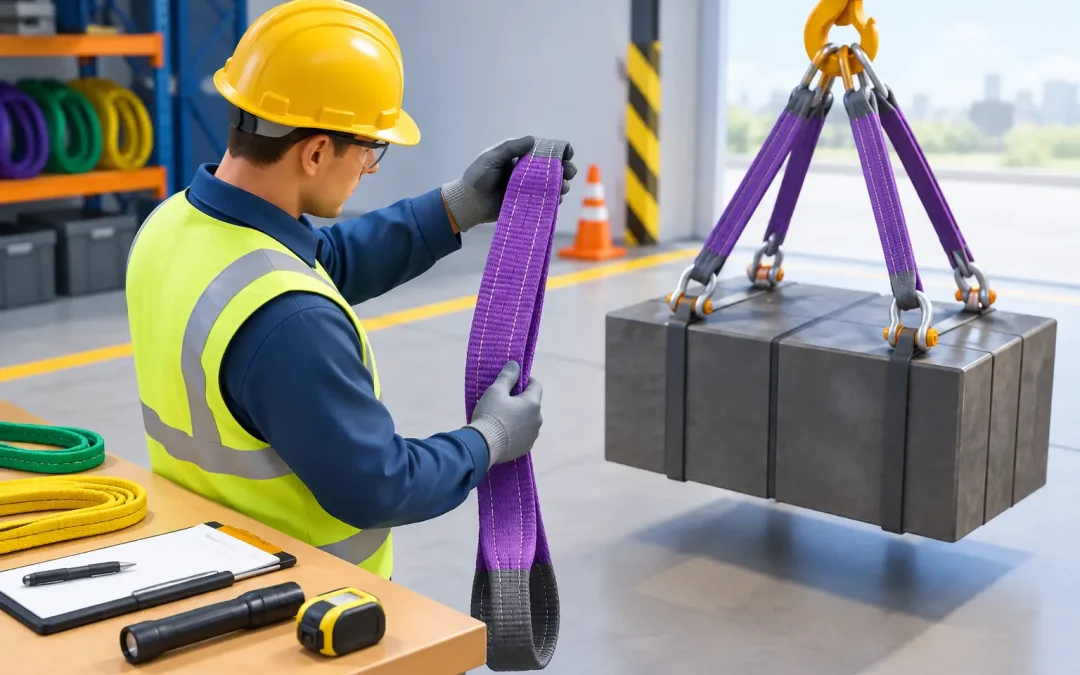 A sling that fails rarely gives a crew much time to react. Before it is put under tension, the sling must be identifiable, in serviceable condition, correctly selected for the lift, and supported by the documentation the job requires. Knowing how to test lifting...
 A failed inspection can stop a lift plan, hold up a turnover, or leave equipment parked when the crew needs it working. The decision between third party versus in house certification affects more than paperwork. It affects whether the inspector, owner, general...
 A lifting point can be installed, inspected, and ready to use – except for one missing item: documented proof load testing. When that document is holding up an inspection, the best mobile load testing services are not simply the closest vendor. They are the ones...
 A lifting assembly can hold a required test load without proving that its hoist, brake, controls, or travel functions perform correctly under working conditions. That is the practical difference behind dynamic versus static load testing. Both methods matter, but they...
 A lifting plan can be ready, the crew can be mobilized, and the equipment can be on site – but the work may still stop if required certification is missing. A load testing inspection gives project teams the documented proof they need to show that lifting...
 A proof load test can be completed correctly and still hold up a job if the paperwork is incomplete, hard to read, or missing when the inspector asks for it. The best practices for test documentation are not office busywork. They are part of putting lifting equipment,...
 A lifting point that has failed an inspection can stop a pick, delay a turnover, or hold up a permit. So, can lifting points be recertified? In many cases, yes – but only when the lifting point can be properly evaluated, tested, and documented for its intended...
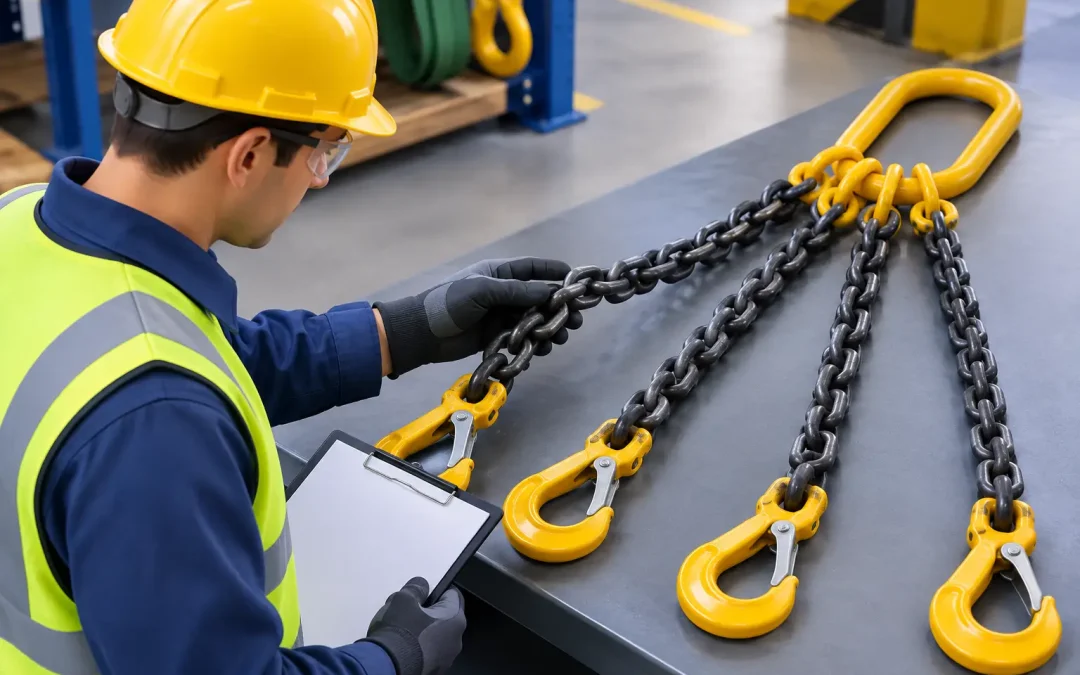 A chain sling can look serviceable from a few feet away and still be unfit for the lift. One stretched link, a damaged hook latch, or missing identification can turn a routine pick into a dropped-load hazard and a jobsite delay. Knowing how to inspect chain slings...
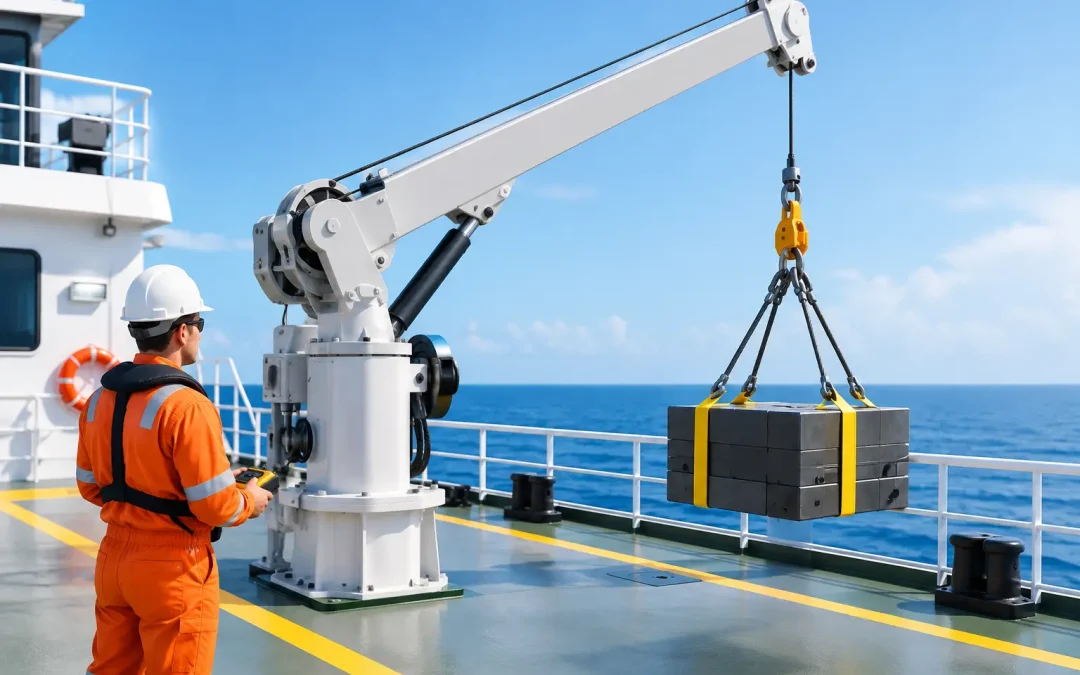 A davit can look ready for service and still fail an inspection if its rated capacity has not been verified and documented. Proof load testing for davits gives project teams the evidence inspectors, vessel operators, and safety managers need before putting a lifting...
