 A crane is scheduled, the crew is mobilized, and an inspector asks for current documentation on the lifting gear. That is when the question becomes urgent: who needs lifting certification? In most cases, it is not just the person operating the equipment. The...
 A pad eye can look sound and still fail under load if the plate, weld, attachment point, or load path has been compromised. Knowing how to test pad eyes means more than attaching a load and pulling. The test has to match the pad eye’s intended service, the structure...
 A lifting point can look ready long before it is ready for approval. A newly fabricated padeye, a beam lug, a davit connection, or a permanent anchor may be installed correctly, but the job can still stop when an inspector asks for documented proof. Certified lifting...
 A successful proof load test is only half the job. If the test record does not clearly identify the equipment, test method, load applied, and final result, an inspector may have no basis to approve it. Knowing how to document load testing properly keeps your lifting...
 A pad eye can look sound, be freshly painted, and still fail to meet the load requirement for the lift it will support. That is why pad eye testing is not a paperwork exercise. It is the proof that a lifting point, its welds, and its supporting structure can carry the...
 A tag marked with a working load limit is not the same thing as a current proof test certificate. That distinction matters when an inspector is waiting, a lift is scheduled, and the equipment cannot be put into service without documentation. Understanding proof...
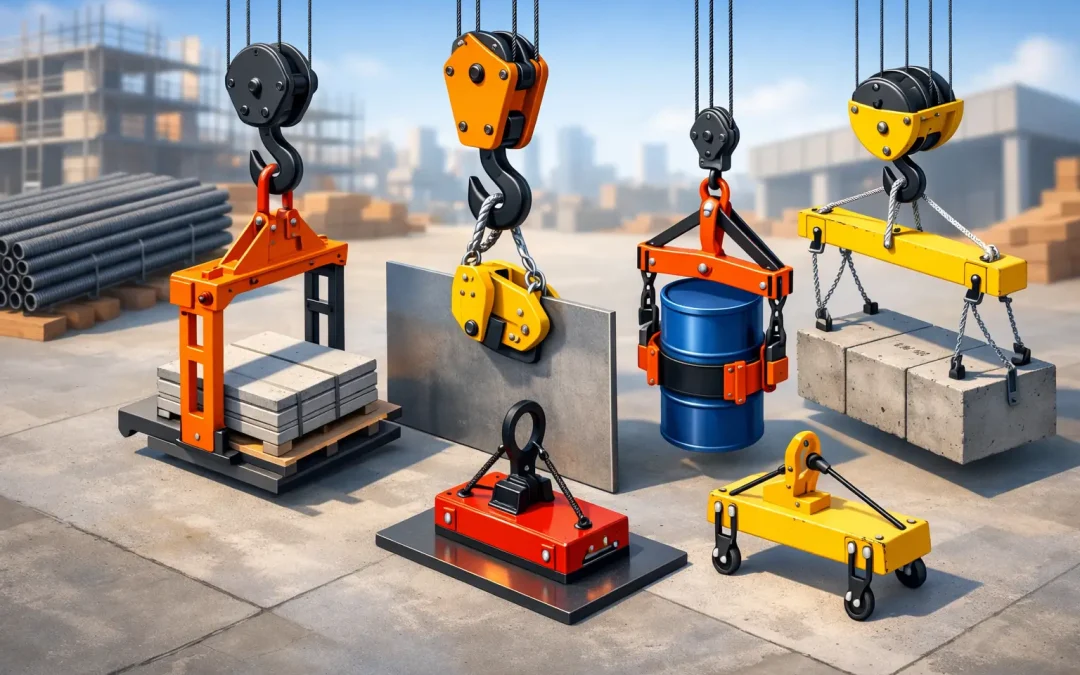 A guide to below hook devices starts where the lift actually happens: between the crane hook and the load. This equipment may look straightforward, but it carries the full consequence of a bad fit, an undocumented repair, or a missed inspection. When an inspector asks...
 A failed inspection can hold up a pick, delay turnover, and leave a crew waiting on paperwork instead of working. Contractor load testing support is about preventing that situation: getting lifting-related equipment proof tested, documented, and ready for approval...
 An inspector is scheduled, a lift is waiting, and the paperwork is not ready. That is when project schedules start slipping. Knowing how to prepare for load certification before the testing crew arrives keeps the process focused, documented, and on track. Proof load...
 A lifting device can be ready to pick a load and still fail the approval process. The missing piece is often not the hardware. It is the proof load test, current inspection status, traceable records, or documentation an inspector needs before allowing the lift to...
