 A lift can be properly planned, the equipment can look serviceable, and the crew can be ready to work – but the job can still stop when the inspector asks for records that are not available. Can inspectors reject missing documentation? In many cases, yes. If...
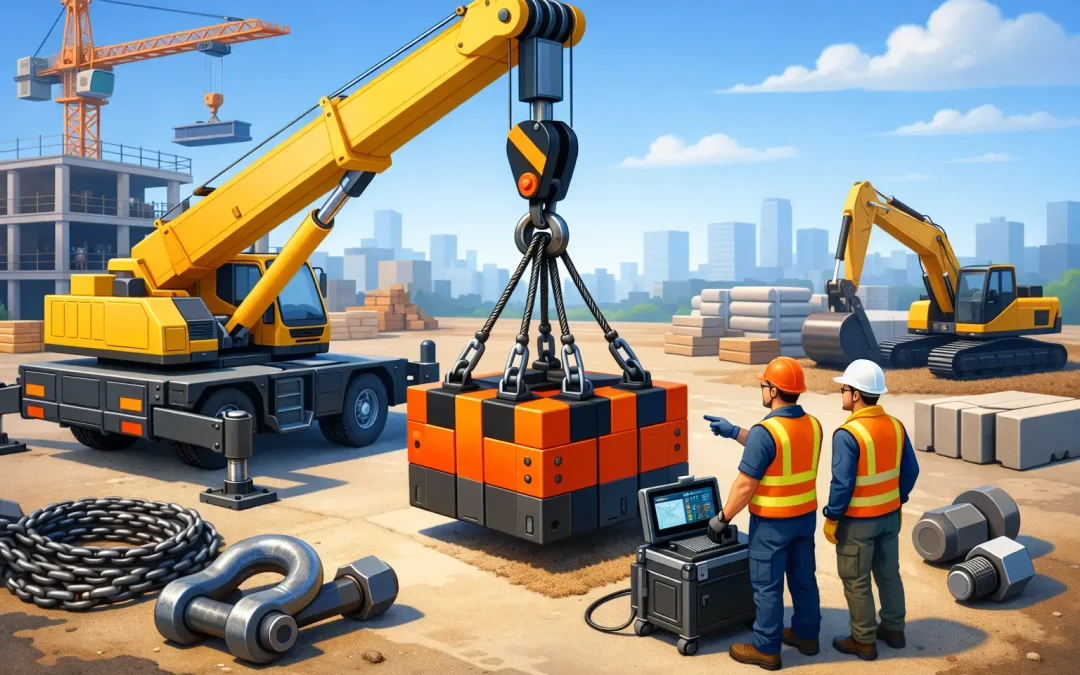 A failed inspection is rarely caused by one missing signature. More often, it starts days earlier with unclear equipment identification, an assumed test load, or a test plan that was never reviewed with the people doing the work. Following best practices for proof...
 An inspector is standing at the gate, a lift is scheduled, and the crew is waiting. The question is not whether the equipment was tested at some point. It is: what documents do inspectors require to approve it for use right now? For lifting equipment, rigging...
 A load test vs visual check is not an either-or decision when a lift, rigging assembly, or lifting device must pass inspection. A visual inspection can identify obvious damage and missing components. A documented proof load test demonstrates that equipment has...
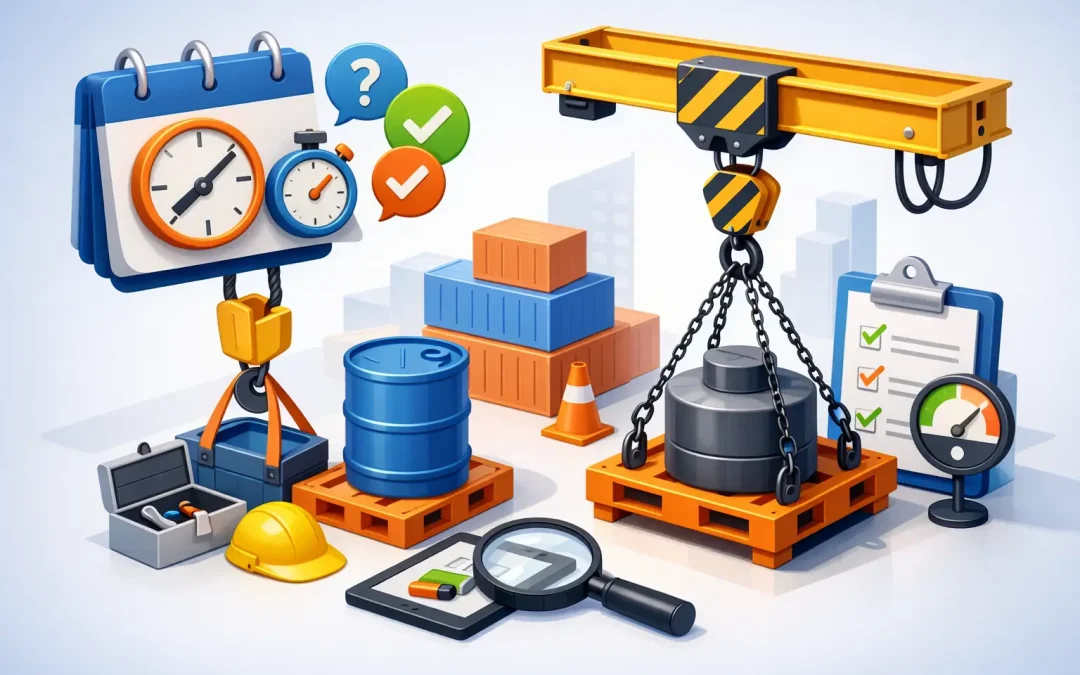 A failed inspection can stop a lift before the crew gets started. The practical answer to how often to test lifting equipment is that there is no single interval for every sling, hoist, lifting beam, shackle, crane attachment, or rigging assembly. Inspection...
 A failed inspection rarely happens at a convenient time. When a crane attachment, lifting beam, spreader bar, or rigging component needs proof load testing, the real question is not just whether it can be certified – it is how fast you can get that certification...
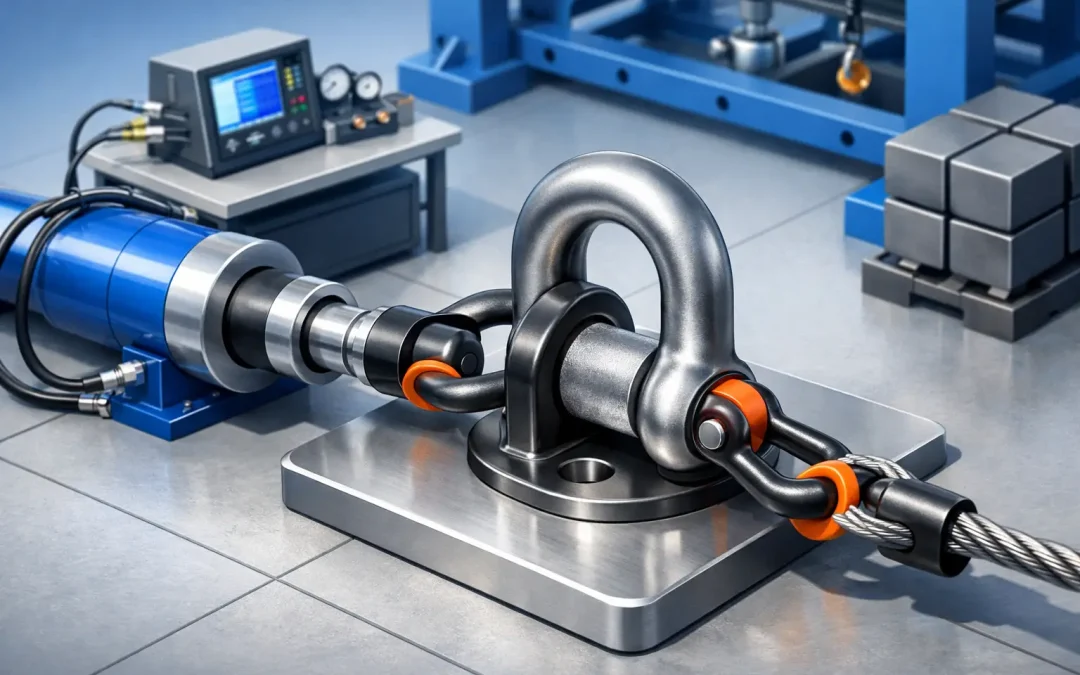 A padeye can hold up a lift plan or clear it. When an inspector asks for proof load documentation, there is not much room for guesswork. This guide to padeye load testing is built for contractors, rigging crews, marine operators, and project teams that need the...
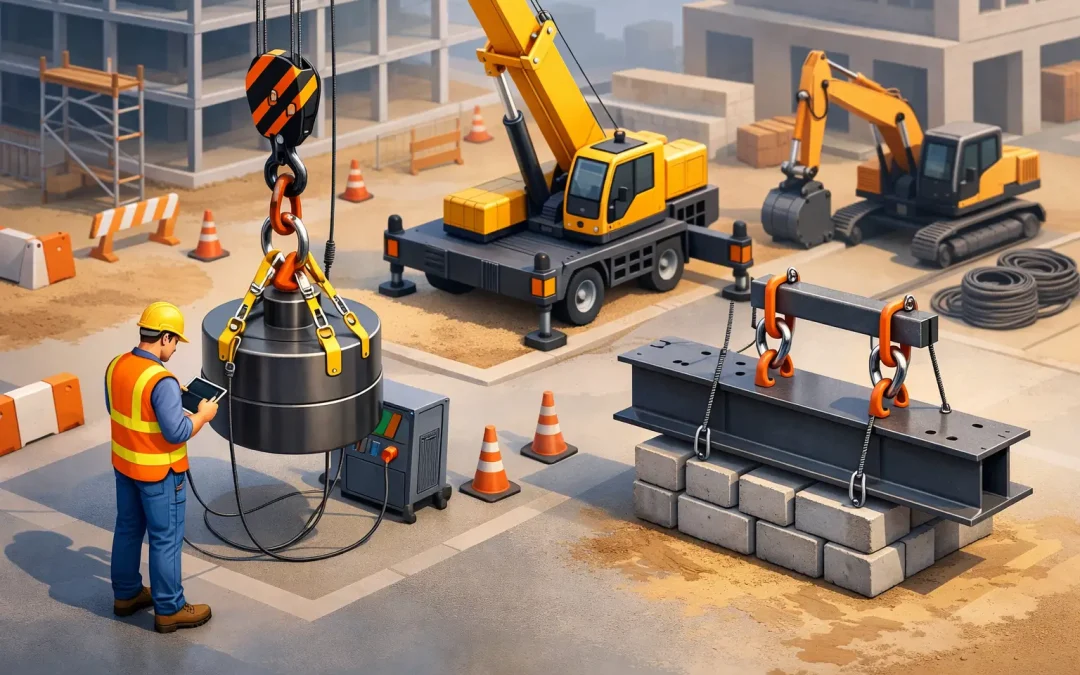 A lift gets held up, an inspector asks for documentation, or a piece of rigging comes back from repair and suddenly the question is not theoretical anymore. When is proof testing needed? On most jobs, it comes up when equipment must be verified for safety, compliance,...
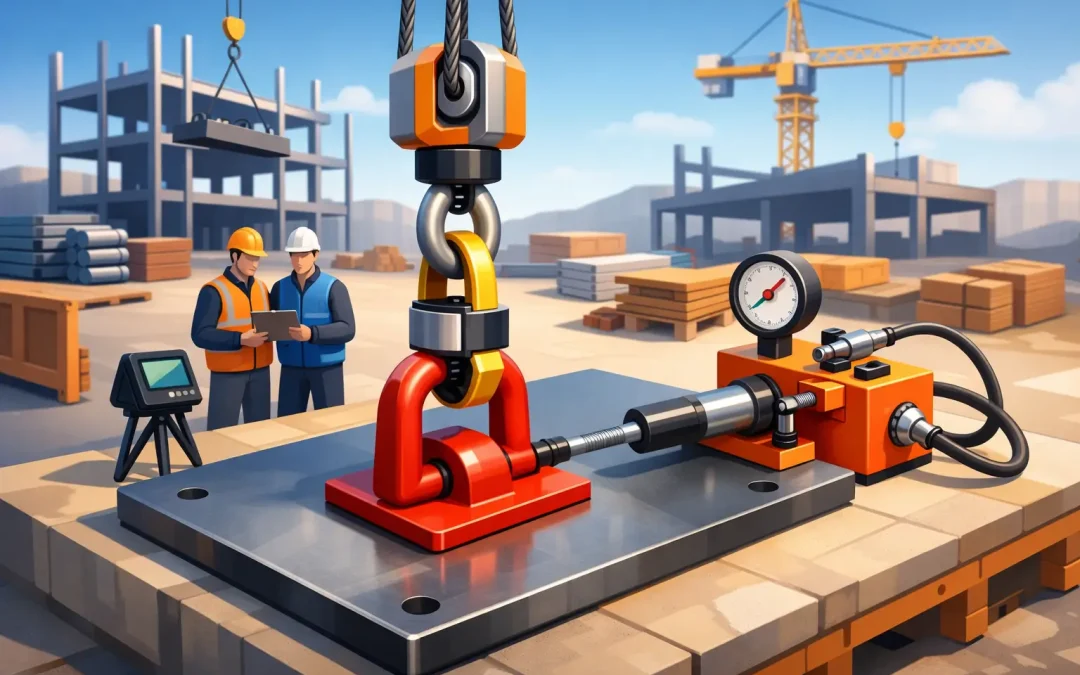 A failed pick rarely starts at the crane. It usually starts with an attachment point that was assumed to be fine, never properly verified, or modified without documented capacity. That is why lifting lug testing matters. When inspectors ask for proof, guesses and shop...
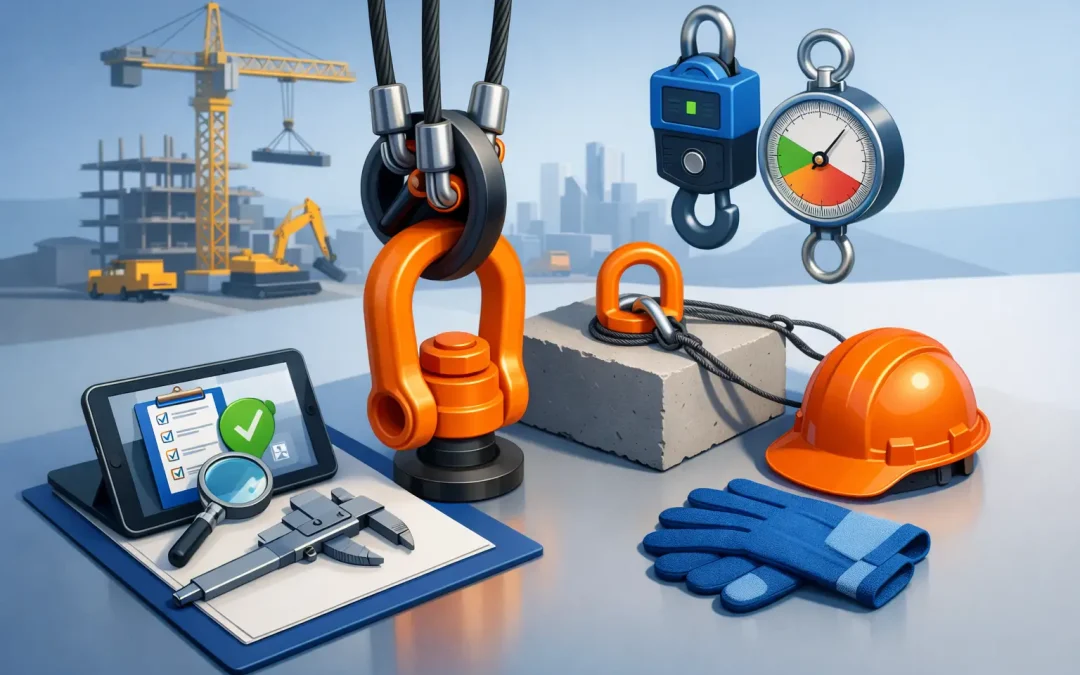 When an inspector asks for lifting point certification, the job usually stops until the paperwork is in hand. That is the reality on construction sites, industrial facilities, marine operations, and rigging-heavy projects across San Diego. If a padeye, lug, beam...
